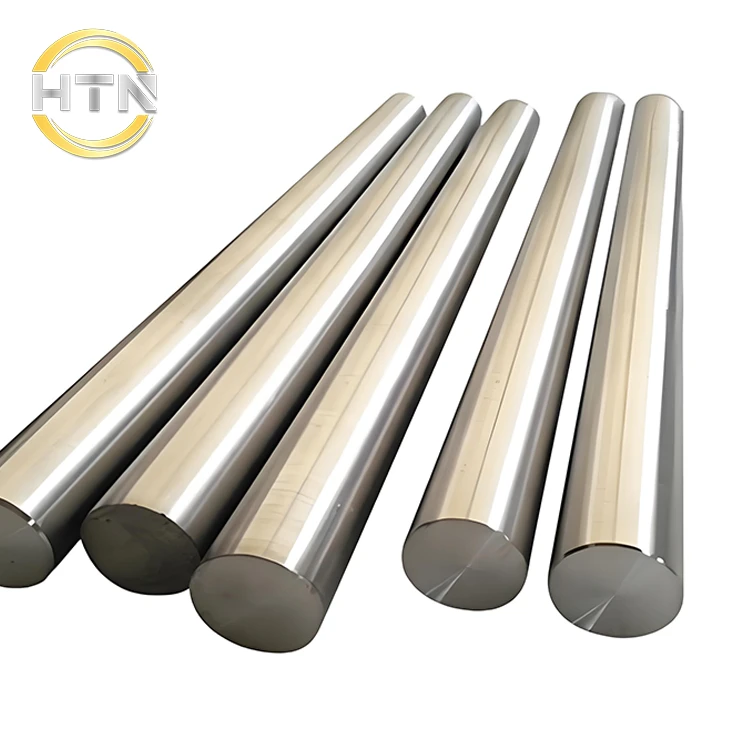






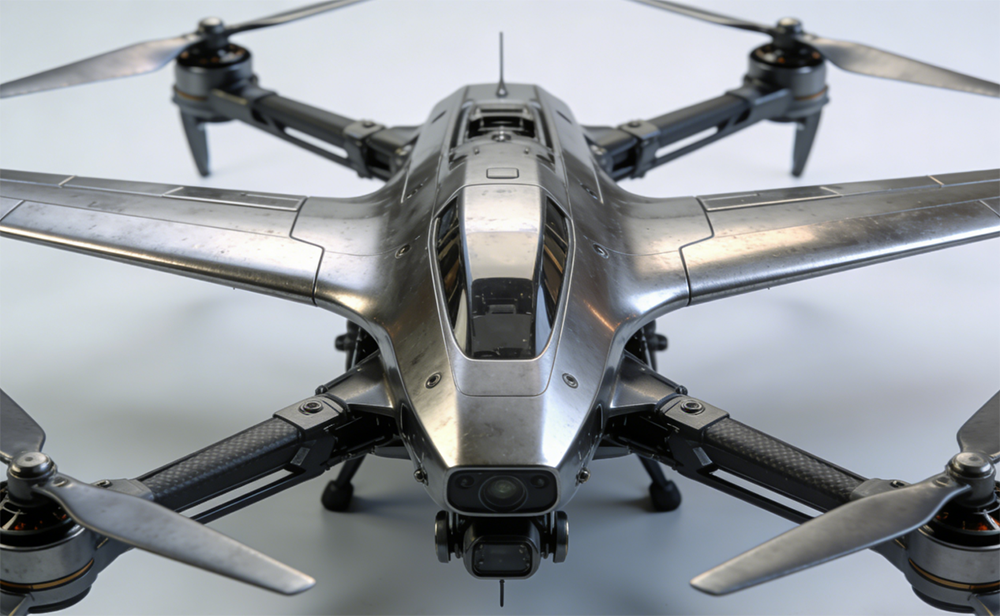
Recently, the drone industry received groundbreaking news: a major player in the titanium material processing sector has successfully signed an agreement with a partner enterprise to launch a mass production project for pure titanium drones. This collaboration is like a boulder thrown into a calm lake, rippling across the UAV field and sparking waves of innovation in titanium material applications, heralding a new era of unprecedented brilliance for the element titanium in the drone industry.
Titanium’s Distinctive Properties: The Ideal Material for Drone Manufacturing
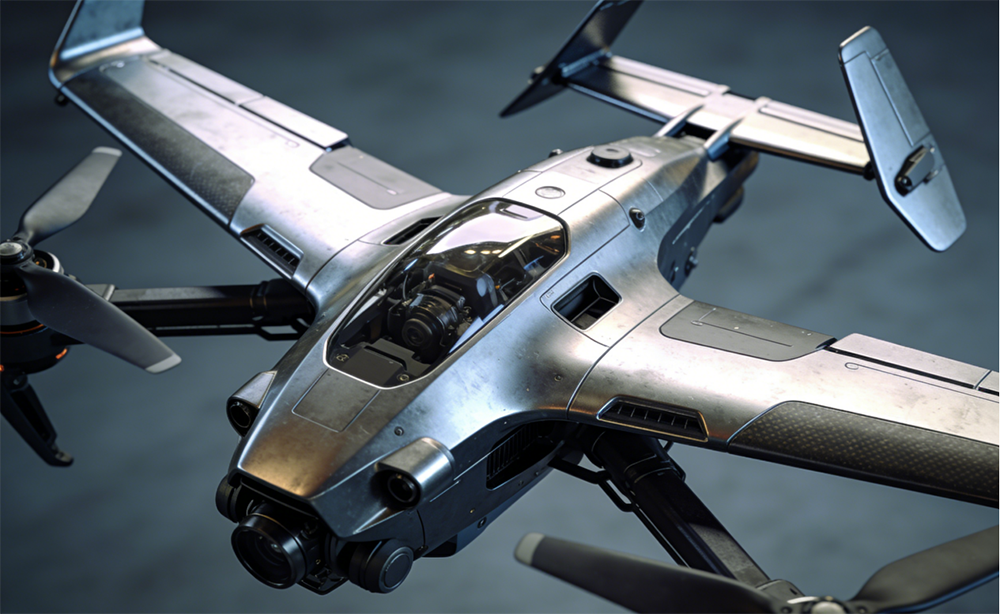
Titanium, a remarkable material often dubbed “space metal,” possesses numerous outstanding characteristics that make it the material of choice for high-end drone manufacturing. Its high strength endows drones with exceptional load-bearing capacity, allowing them to carry sophisticated equipment and payloads while maintaining a robust and reliable airframe structure. Whether for complex scientific detection instruments or vital rescue supplies, pure titanium drones can effortlessly handle transportation tasks, providing a solid foundation for the successful execution of various missions.
Corrosion resistance is another significant advantage of titanium. Drones frequently encounter harsh environmental conditions, such as humid air, rain containing corrosive substances, and salt spray in marine environments. Ordinary materials are prone to rust and corrosion under these circumstances, compromising drone performance and lifespan. Titanium, however, with its excellent corrosion resistance, ensures stable long-term operation in challenging environments. This greatly reduces maintenance costs and usage limitations, guaranteeing normal functionality under various extreme conditions.
Lightweighting is a crucial factor driving titanium’s prominence in the drone sector. For drones, weight directly impacts flight performance and endurance. A lighter airframe consumes less energy to stay airborne, significantly extending flight time and operational range. The application of pure titanium allows drones to achieve maximum weight reduction without compromising strength and structural integrity, enabling applications requiring long endurance and extended range.
A Synergistic Partnership: Advancing Titanium Applications Together
The enterprise involved boasts years of deep cultivation in drone R&D and market application, accumulating extensive experience and technical expertise. Its R&D team possesses profound knowledge and understanding of drone flight principles, control systems, and power systems. They can design high-performance, versatile drone products tailored to various application scenarios. Concurrently, this enterprise has achieved notable success in market promotion, establishing strong collaborative relationships with numerous industry clients and demonstrating acute insight into market demands.
The collaborating partner is a recognized leader in the titanium and titanium alloy processing field. This company possesses advanced material R&D capabilities and robust large-scale production capacity, capable of providing stable, high-quality titanium material support for the mass production of pure titanium drones. From titanium ore extraction and titanium alloy preparation to the precision machining of various titanium components, the company has perfected production processes and stringent quality control systems. Its R&D team continuously explores the performance limits of titanium materials, enhancing material quality through innovative processes, thereby providing a solid material foundation for improving the performance of pure titanium drones.
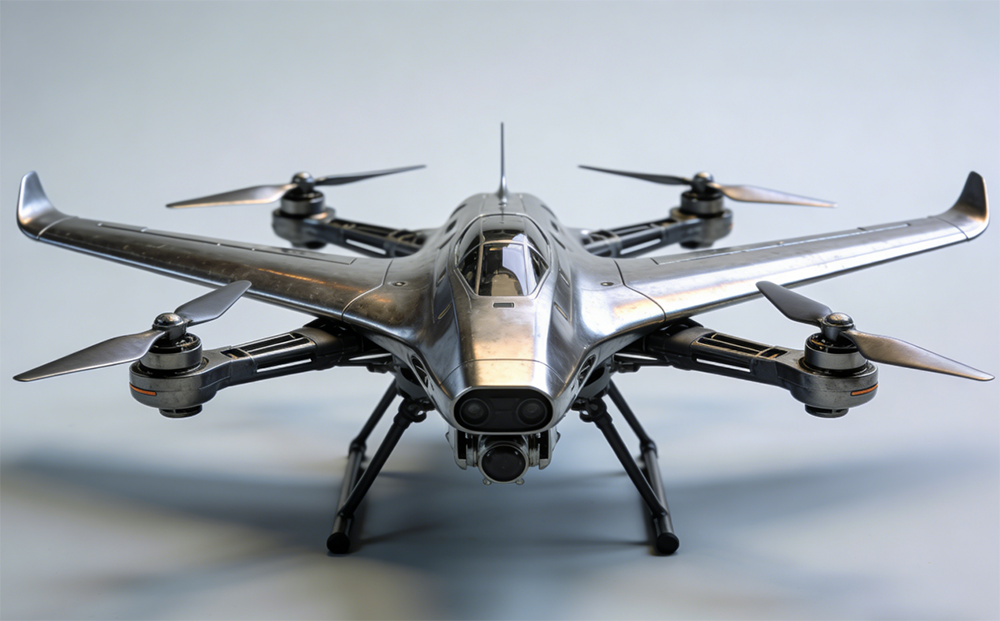
This collaboration represents a perfect synergy, where the partners complement each other’s strengths. It will not only promote the large-scale application of titanium materials in the drone field but also accelerate the entire drone industry’s upgrade towards higher performance and greater lightweighting.
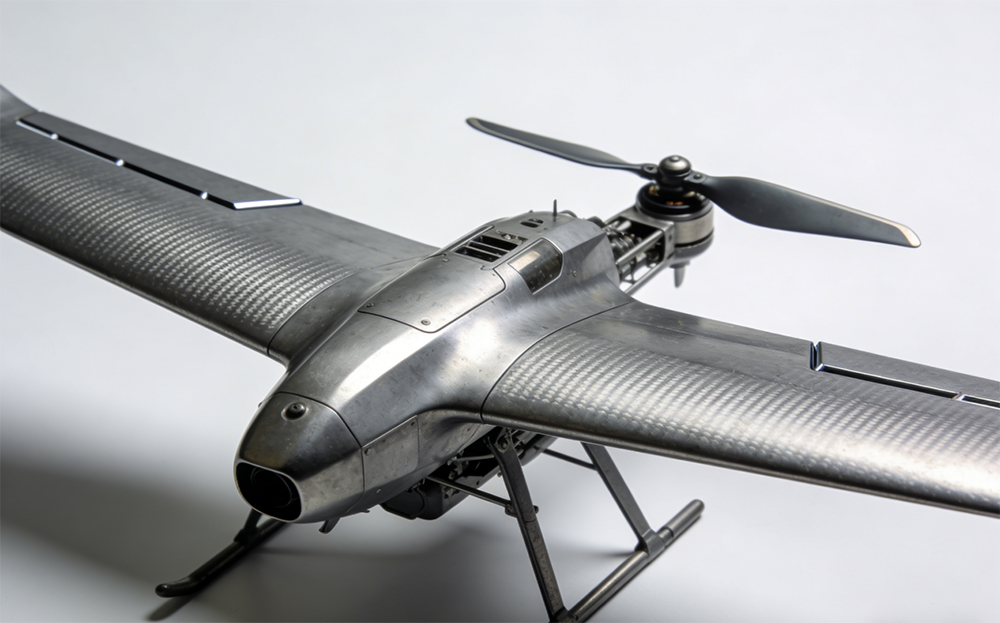
Driven by Innovation: Expanding the Application Boundaries of Titanium Drones**
The launch of the pure titanium drone mass production project marks a significant milestone in this partnership and a crucial step forward in material application innovation within the drone industry. As the project progresses, both parties will deepen their cooperation across technology R&D, manufacturing, and market expansion, continuously broadening the application horizons for pure titanium drones.
In technology R&D, they will jointly invest resources and establish collaborative research teams to deeply explore the integration of pure titanium materials with drone manufacturing technology. By optimizing structural design and leveraging titanium’s properties, they aim to achieve further lightweighting and strengthening of the airframe. Concurrently, they will develop more efficient power systems and advanced flight control algorithms to enhance the flight performance and stability of pure titanium drones. Examples include researching new titanium alloys that maintain strength while reducing weight further, and developing special coatings for titanium airframes to improve stealth capabilities and wear resistance.
In manufacturing, the partners will work together to build efficient, intelligent production lines. By introducing advanced automation equipment and digital management systems, they will achieve precise control over the entire process, from raw material processing to final assembly. Rigorous processing techniques and strict quality inspections will ensure every pure titanium drone meets high-quality standards. Simultaneously, optimizing production workflows will improve efficiency, reduce costs, and enhance the market competitiveness of pure titanium drones.
In terms of market expansion, both parties will leverage their respective market channels and customer resource advantages to actively promote the wide application of pure titanium unmanned aircraft in fields such as emergency rescue, surveying and exploration, and industrial inspection. In the field of emergency rescue, the lightweight and high-strength characteristics of pure titanium drones enable them to quickly reach the disaster site and provide real-time and accurate information support for rescue operations. Their corrosion resistance also allows them to operate stably and reliably in harsh disaster environments, providing reliable protection for rescue personnel. In the field of surveying and exploration, the excellent endurance and stability of pure titanium drones can meet the needs of large-scale and high-precision surveying. The advanced surveying equipment they carry can obtain high-quality geographic information data, providing strong support for urban planning, resource exploration, and other work. In the industrial inspection field, pure titanium drones can easily handle complex environments, such as high temperatures, high pressures, and toxic and harmful environments, improving inspection efficiency and safety. They can replace human inspection in dangerous areas, promptly detect equipment failures and safety hazards, and ensure the normal operation of industrial production.
Forging Ahead Together: Writing a New Chapter for Titanium Drones
This signing ceremony represents a new starting point for the two parties to move forward hand in hand. They will leverage this collaboration as an opportunity to continue their deep engagement in the drone field, steadfastly adhering to the philosophy of innovation-driven development, and continuously enhancing the technological content and quality of their products. They aim to win market recognition through outstanding quality and lead industry trends through innovative technology. In the future, we have every reason to believe that with the deepening cooperation and steady progress of the pure titanium drone mass production project, titanium materials will find even wider and deeper applications in the drone field. Pure titanium drones are poised to become a new benchmark for the industry, providing more efficient and reliable solutions for the development of various sectors.