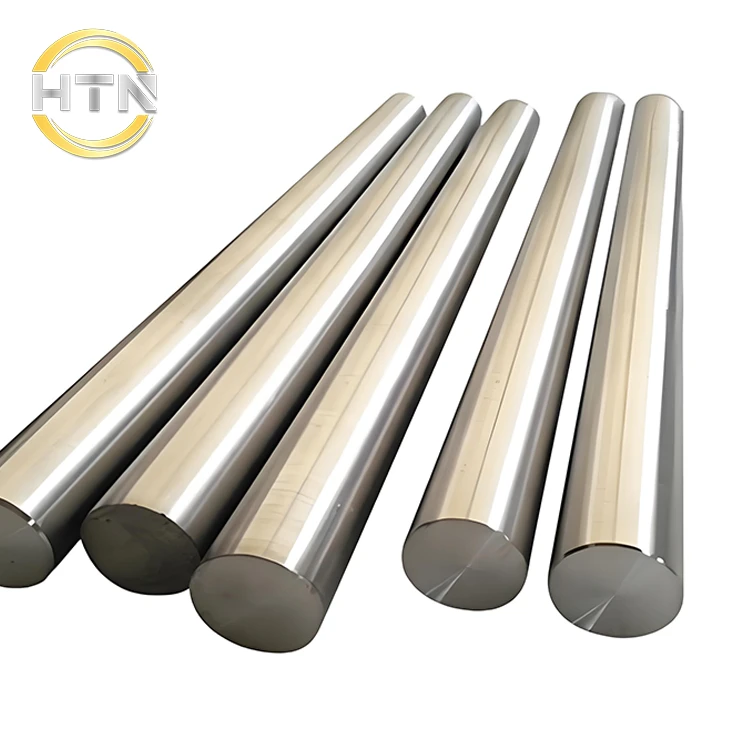






Titanium Plate: Properties and Industrial Applications
Titanium plates represent one of the most versatile forms of titanium products, offering exceptional strength-to-weight ratios, corrosion resistance, and biocompatibility. These properties make titanium plates indispensable across aerospace, medical, chemical processing, and marine industries. This comprehensive guide explores the characteristics, applications, and advantages of titanium plates in modern manufacturing.
Fundamental Properties of Titanium
Strength-to-Weight Ratio
Titanium offers an exceptional strength-to-weight ratio, approximately 40% lighter than steel while maintaining comparable strength. This makes titanium materials ideal for applications where weight reduction is critical without sacrificing structural integrity.
Corrosion Resistance
Titanium naturally forms a protective oxide layer that provides outstanding resistance to corrosion in various environments including seawater, chlorine, and many acids. This property eliminates the need for protective coatings in many applications, reducing maintenance costs and extending service life.
Biocompatibility
Titanium is completely biocompatible, causing no adverse reactions when in contact with human tissue. This makes titanium plates essential for medical implants, surgical instruments, and dental applications.
Manufacturing Processes
Hot Rolling
Titanium plates are typically produced through hot rolling processes that shape the metal above its recrystallization temperature. This process refines the grain structure and enhances mechanical properties while achieving the desired thickness and dimensions.
Cold Rolling
For tighter tolerances and improved surface finish, cold rolling follows hot rolling. This process work-hardens the material, increasing strength while achieving precise dimensional control.
Heat Treatment
Various heat treatments optimize titanium plate properties for specific applications:
- Annealing: Relieves internal stresses and improves ductility.
- Solution Treating and Aging: Enhances strength for aerospace applications.
- Stress Relieving: Reduces residual stresses from forming operations.
Industrial Applications
Aerospace Industry
The aerospace sector represents the largest consumer of titanium plates:
- Airframe Components: Structural members requiring high strength and low weight.
- Engine Components: Compressor blades, discs, and casings operating at elevated temperatures.
- Fasteners: High-strength, lightweight fastening systems.
- Heat Shields: Thermal protection in high-temperature zones.
Medical Industry
Medical applications leverage titanium’s biocompatibility:
- Orthopedic Implants: Hip and knee replacement components.
- Surgical Instruments: Lightweight, corrosion-resistant tools.
- Dental Implants: Osseointegrated implant structures.
- Prosthetic Devices: Durable, lightweight prosthetic components.
Chemical Processing
Corrosion resistance suits titanium for aggressive environments:
- Reaction Vessels: Containers for corrosive chemicals.
- Heat Exchangers: Efficient thermal transfer in corrosive media.
- Piping Systems: Transport lines for aggressive fluids.
- Valve Components: Corrosion-resistant flow control.
Marine Applications
Seawater resistance makes titanium ideal for marine use:
- Propeller Shafts: High-strength, corrosion-resistant propulsion components.
- Heat Exchangers: Cooling systems in seawater environments.
- Deck Fittings: Hardware exposed to marine atmospheres.
- Submarine Components: Depth-resistant structural members.
Grade Selection
Commercially Pure Titanium
Grades 1-4 offer varying strength levels with excellent corrosion resistance:
- Grade 1: Highest ductility, excellent formability.
- Grade 2: Balanced properties, most commonly used.
- Grade 3: Higher strength with good ductility.
- Grade 4: Highest strength of pure grades.
Titanium Alloys
Alloyed titanium provides enhanced properties:
- Ti-6Al-4V: Most common alloy, excellent all-around properties.
- Ti-6Al-4V ELI: Enhanced ductility for medical implants.
- Ti-3Al-2.5V: Good weldability and formability.
Quality Standards
Titanium plates must meet stringent specifications:
- ASTM B265: Standard specification for titanium and titanium alloy strip, sheet, and plate.
- AMS Standards: Aerospace material specifications for critical applications.
- ISO 5832: Implant-grade titanium specifications.
- MIL Standards: Military specifications for defense applications.
Surface Treatments
Various surface treatments enhance titanium plate performance:
- Anodizing: Thickens oxide layer for enhanced corrosion resistance.
- Electropolishing: Smooth surface finish for medical applications.
- Sandblasting: Textured surface for improved adhesion.
- Chemical Etching: Precise material removal for fine features.
Conclusion
Titanium plates offer a unique combination of properties that make them indispensable across critical industries. Their exceptional strength-to-weight ratio, corrosion resistance, and biocompatibility enable applications impossible with conventional materials. As manufacturing technology advances and new applications emerge, the importance of titanium plates continues to grow.
For applications demanding reliability, longevity, and performance in challenging environments, titanium plates provide proven solutions backed by decades of successful use. Investment in quality titanium products ensures optimal performance and value throughout the product lifecycle.
Advanced Processing Techniques
Modern titanium plate processing employs sophisticated techniques including electron beam melting, vacuum arc remelting, and advanced rolling processes. These methods ensure consistent quality, uniform grain structure, and optimal mechanical properties throughout the material.
Quality Assurance
Quality titanium plates undergo rigorous testing including ultrasonic inspection, chemical analysis, mechanical testing, and dimensional verification. These quality controls ensure plates meet stringent industry specifications for critical applications.
Future Developments
Emerging technologies in titanium plate production include additive manufacturing integration, improved surface treatments, and development of new alloys with enhanced properties. These advances will expand application possibilities and improve performance in demanding environments.
Conclusion
Titanium plates continue to serve critical roles across industries requiring superior material properties. Investment in quality titanium products ensures optimal performance, reliability, and value throughout the product lifecycle.
Welding and Fabrication
Titanium plate welding requires specialized techniques due to the material’s reactivity at elevated temperatures. Inert gas shielding, typically argon or helium, prevents oxidation during welding. Common methods include TIG welding, electron beam welding, and laser welding, each offering specific advantages for different applications.
Cost Considerations
While titanium plates command premium prices compared to steel or aluminum, their unique properties often justify the investment. Extended service life, reduced maintenance, and superior performance in challenging environments deliver compelling total cost of ownership benefits.
Sustainability Aspects
Titanium is fully recyclable without degradation of properties. The growing emphasis on sustainable manufacturing increases titanium’s appeal, as recycled titanium requires significantly less energy to process than primary production from ore.
As industries continue demanding materials that combine performance with sustainability, titanium plates will play increasingly important roles in advanced engineering applications.
Supply Chain Considerations
Global titanium plate supply has become increasingly reliable with expanded production capacity in multiple regions. Quality suppliers maintain inventory of standard sizes while offering custom dimensions for specific requirements. Lead times vary based on specifications, with common grades typically available from stock.
Technical Support
Leading titanium suppliers provide comprehensive technical support including material selection guidance, specification interpretation, and application engineering assistance. This expertise helps customers optimize material choices and avoid costly specification errors.
The combination of material excellence, processing capability, and technical support makes titanium plates the material of choice for applications where performance cannot be compromised.
Industry Standards and Specifications
Titanium plates must conform to various international standards depending on application requirements. ASTM B265 covers titanium and titanium alloy plate specifications, while AMS standards govern aerospace applications. Medical-grade titanium follows ISO 5832 specifications for biocompatible implants.
Testing and Certification
Quality titanium plates undergo extensive testing including tensile testing, hardness measurement, chemical analysis, and ultrasonic inspection. Material test certificates document compliance with specifications, providing traceability and quality assurance for critical applications.
Manufacturers and end-users rely on these certifications to ensure material integrity and compliance with application requirements throughout the supply chain.
Emerging Applications
New applications for titanium plates continue to emerge across industries. Additive manufacturing enables complex titanium structures impossible with traditional processing. Energy sector applications include hydrogen storage and geothermal systems. Consumer electronics increasingly use titanium for durability and premium aesthetics.
These expanding applications drive continued innovation in titanium plate technology, ensuring the material remains at the forefront of advanced engineering solutions.
Market Outlook
The titanium plate market continues to grow, driven by expanding aerospace programs, medical device demand, and industrial applications. Production capacity increases and processing improvements continue to make titanium more accessible while maintaining the quality standards critical for demanding applications.
For engineers and specifiers seeking materials that deliver exceptional performance, titanium plates offer proven solutions backed by decades of successful application across the most demanding industries.
As titanium technology continues to advance and new applications emerge, the importance of this remarkable material will only grow. Engineers, designers, and manufacturers who understand titanium’s capabilities can leverage its unique properties to create solutions that perform in the most demanding environments.
The versatility and reliability of titanium plates ensure their continued importance in engineering applications where material performance directly impacts product success and safety.
Investment in quality titanium plate products ensures optimal performance and reliability across all applications where material excellence is paramount.
Quality titanium plates deliver exceptional value through superior performance and long service life.
Titanium remains the material of choice for demanding engineering applications.