





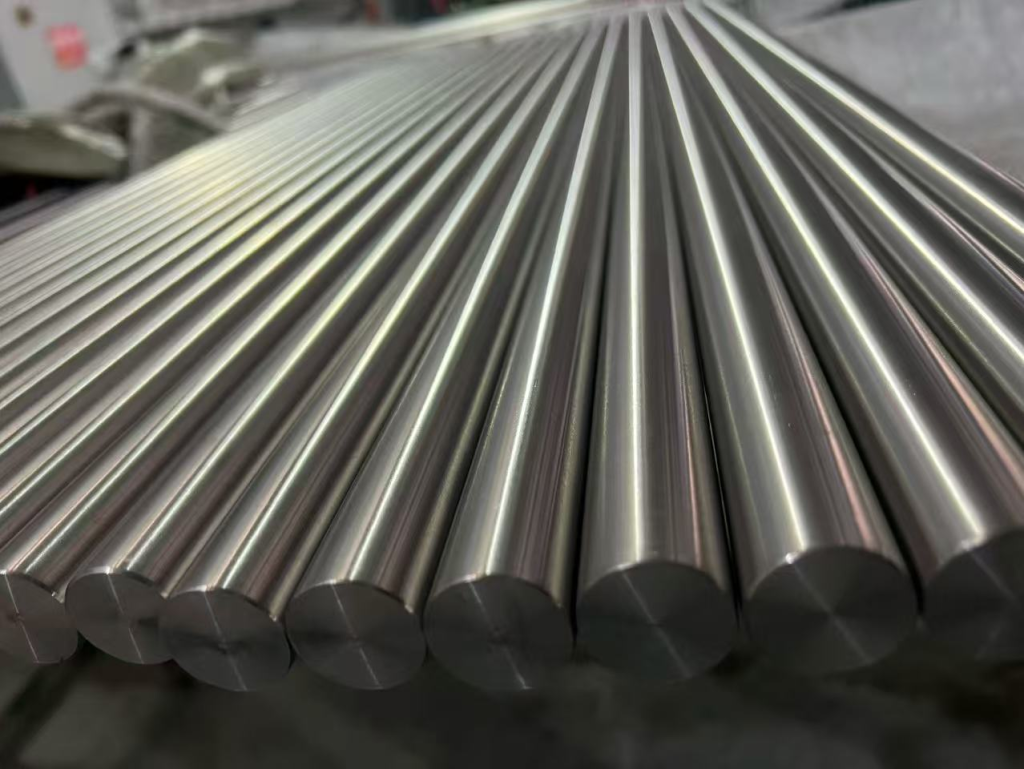
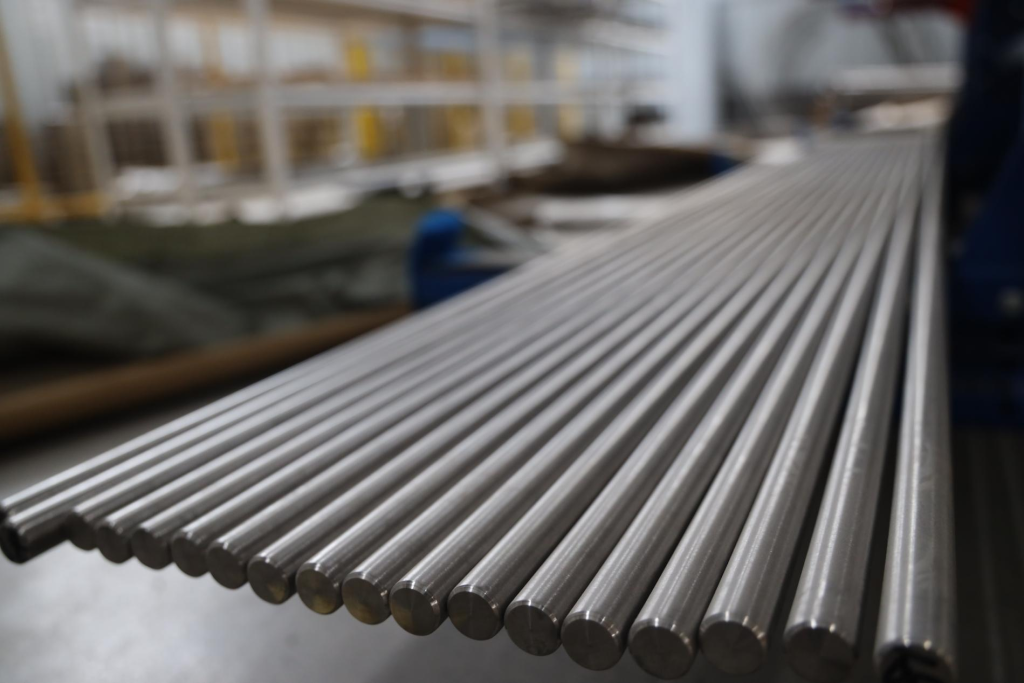
Titanium bars hold a core position in aerospace, medical devices, marine engineering, and other high-end industries due to their high specific strength, excellent corrosion resistance, and outstanding bio-compatibility. However, the inherent surface characteristics of a titanium bar—such as limited wear resistance, relatively high friction coefficient, and insufficient bio-activity—often restrict its functional expansion.
Through advanced titanium bar surface treatment technologies, the comprehensive performance of titanium bars can be significantly enhanced to meet diverse application requirements. “Huatainuo Metal” has conducted in-depth research and reporting on innovations in titanium bar surface treatment, providing a systematic analysis of technical pathways and future development trends.
I. Basic Surface Treatment of Titanium Bars: Laying the Foundation for Performance Enhancement
- Mechanical Treatment: Physical Modification for Titanium Bar Surface Quality Optimization
Mechanical Polishing of Titanium Bars:
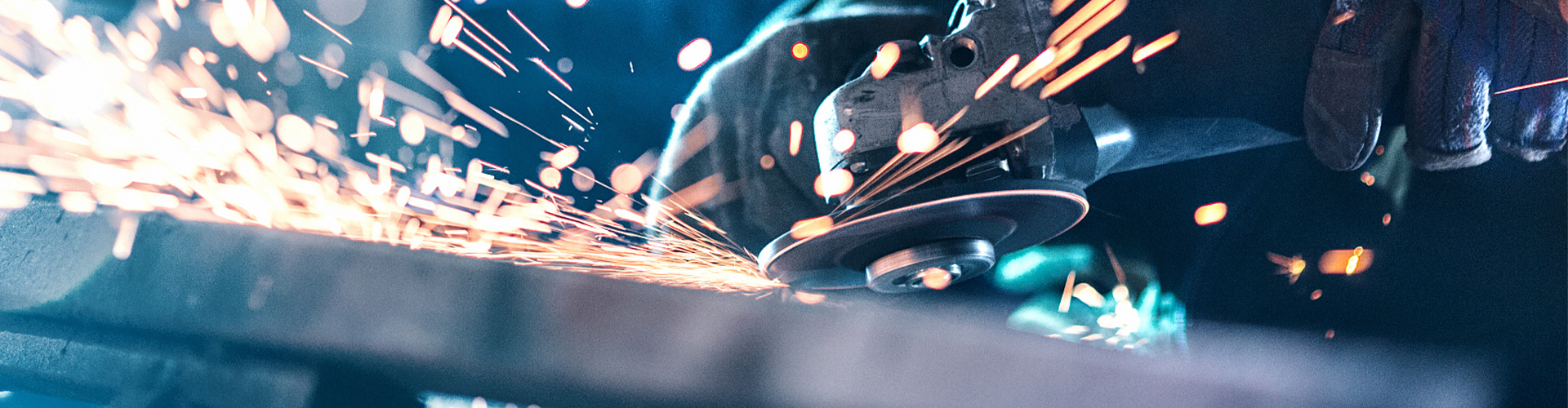
Mechanical polishing achieves a mirror-like finish on the surface of a titanium bar through progressive grinding with sandpaper or polishing wheels, reducing surface roughness (Ra) to below 0.01 μm. This process improves not only the appearance of titanium bars but also the adhesion strength of subsequent coatings. It is widely used for high-precision components, decorative titanium bars, and industrial titanium bar products requiring advanced coatings.
Sandblasting Treatment for Titanium Bars:
Sandblasting uses high-speed abrasive particles (such as aluminum oxide or silicon carbide) to impact the surface of the titanium bar, effectively removing oxide layers and contaminants while forming uniform surface roughness (Ra 2–5 μm). This treatment is a critical pretreatment step for titanium bar coating, significantly enhancing bonding strength in subsequent chemical or physical surface treatments. - Chemical Treatment: Precise Control of Titanium Bar Surface Chemistry
Chemical Polishing of Titanium Bars:
Chemical polishing uses weak acids or alkaline solutions to selectively dissolve microscopic protrusions on the surface of a titanium bar, rapidly improving surface smoothness. To prevent oxidation, sealing treatments are required afterward. This method is ideal for leveling complex titanium bar structures used in aerospace and precision engineering.
Acid Cleaning of Titanium Bars:
Acid cleaning efficiently removes oxide scale, oil, and metal contaminants from the titanium bar surface using mixed acid solutions. Strict control of temperature and time ensures a clean titanium bar substrate without over-etching, providing an optimal foundation for further surface modification.
II. Functional Enhancement Technologies for Titanium Bars: Breaking Performance Limits
- Electrochemical Surface Treatment of Titanium Bars
Anodizing of Titanium Bars:
Anodizing forms a dense TiO₂ oxide film on the titanium bar surface with controllable thickness, significantly improving wear resistance, corrosion resistance, and biocompatibility. This technology is extensively used in medical-grade titanium bars for orthopedic and dental implants.
Micro-arc Oxidation on Titanium Bars:
Micro-arc oxidation produces a ceramic oxide layer directly on the titanium bar surface, delivering exceptional hardness, thermal stability, and insulation properties. It is ideal for titanium bars used in extreme environments such as marine engineering and nuclear power systems. - Heat Treatment Surface Modification of Titanium Bars
Nitriding Treatment for Titanium Bars:
Nitriding forms a hard TiN/Ti₂N layer on the titanium bar, significantly increasing surface hardness and reducing friction. This process is suitable for high-load titanium bar components such as gears and bearings.
Carburizing of Titanium Bars:
Carburizing creates a TiC layer on the surface of a titanium bar, enhancing high-temperature resistance and wear performance, making it suitable for aerospace titanium bar applications such as engine components.
III. Coating and Composite Surface Technologies for Titanium Bars
- Lubrication and Anti-adhesion Coatings for Titanium Bars
Graphite Emulsion Coating for Titanium Bars:
This coating forms a lubricating and protective film on titanium bars during hot drawing, reducing friction, oxidation, and processing loss.
Fluorophosphate Coating for Titanium Bars:
Fluorophosphate coatings provide excellent lubrication and surface protection for multi-pass drawing processes of precision titanium bars. - High-Performance Functional Coatings on Titanium Bars
Bioceramic Coatings for Medical Titanium Bars:
Hydroxyapatite coatings enhance the bioactivity of medical-grade titanium bars, promoting bone integration in orthopedic implants.
DLC Coatings on Titanium Bars:
Diamond-like carbon coatings offer ultra-low friction and extreme hardness for precision titanium bar components in medical devices and mechanical systems.
IV. Advanced Surface Engineering Technologies for Titanium Bars - Laser Surface Treatment of Titanium Bars
Laser Cladding on Titanium Bars:
Laser cladding enhances localized wear resistance of titanium bars, extending service life in heavy-duty applications.
Laser Surface Alloying of Titanium Bars:
This technology forms gradient-strengthened layers on titanium bars, improving high-temperature and wear performance. - Ion Implantation Technology for Titanium Bars
Ion implantation modifies the near-surface structure of titanium bars at the nanoscale, significantly improving hardness, corrosion resistance, and hydrogen embrittlement resistance for energy and aerospace applications.
V. Development Trends in Titanium Bar Surface Treatment
Composite Surface Modification of Titanium Bars:
Combining anodizing and sputtering to create antibacterial titanium bar surfaces for medical applications.
Green and Sustainable Titanium Bar Surface Processes:
Promoting eco-friendly titanium bar treatment technologies that reduce energy consumption and environmental impact.
Intelligent Control of Titanium Bar Surface Treatment:
AI-driven optimization systems ensure precise, stable, and high-quality surface treatment of titanium bars for advanced manufacturing.