



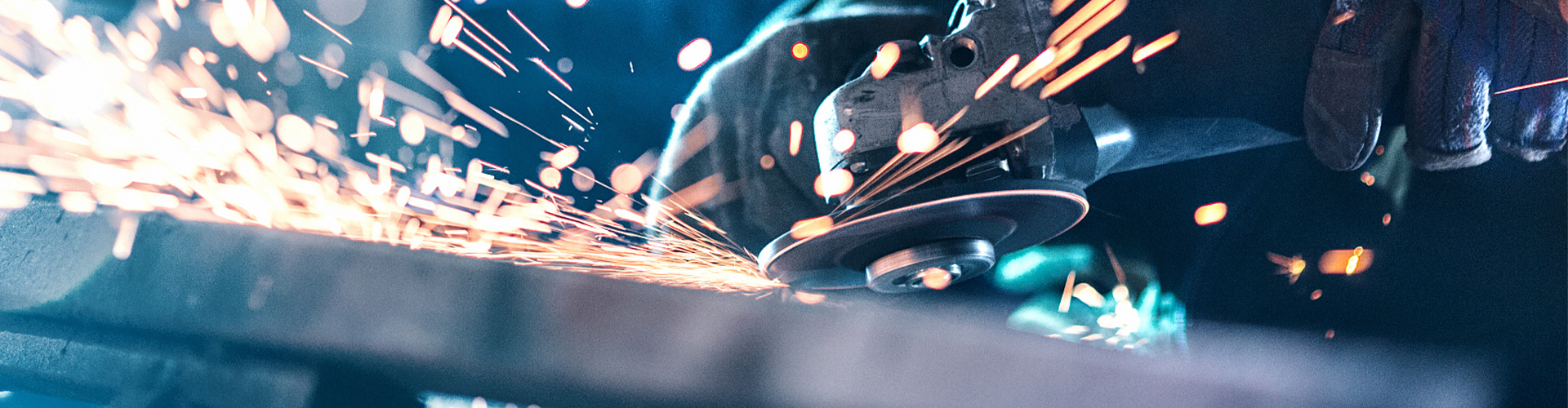


In today’s world of Everyday Carry (EDC), people are paying more attention to the small objects they interact with every day. A keychain, once considered a simple utility for organizing keys, has gradually evolved into something much more meaningful—a reflection of personal taste, engineering appreciation, and modern lifestyle aesthetics. Among all materials used in premium EDC accessories, titanium alloy has emerged as the undisputed favorite.
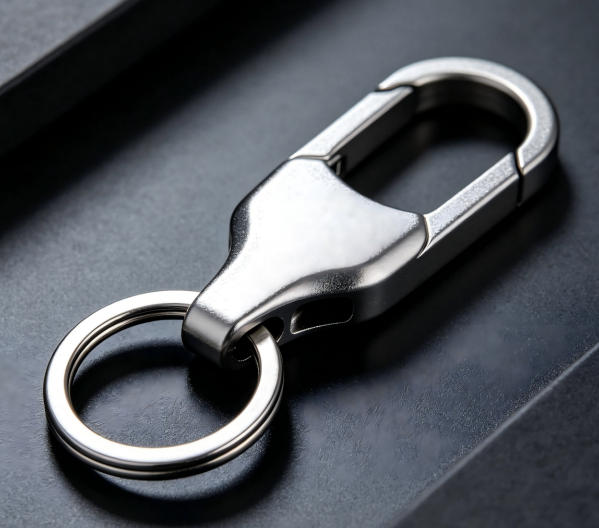
What makes titanium keychains so appealing is not merely their appearance, but the perfect balance of advanced material science, precision craftsmanship, and emotional satisfaction they offer. From aerospace-grade raw material to CNC-machined artistry, every titanium keychain carries a story of innovation and craftsmanship. What seems like a tiny pocket accessory is actually the result of highly sophisticated engineering and thoughtful design philosophy.
Why Titanium Alloy Has Become the King of EDC Materials Titanium alloy has long been associated with high-performance industries such as aerospace engineering, military equipment, deep-sea exploration, and medical implants. Today, this once-exclusive material is finding its way into everyday accessories, bringing industrial-grade durability into daily life. Compared with traditional stainless steel or aluminum keychains, titanium offers several unmatched advantages.
1.1.Ultra-Lightweight Comfort
One of the first things users notice is the weight—or rather, the lack of it. Titanium has an extremely high strength-to-weight ratio. A titanium keychain weighing only around 10 grams can comfortably hold multiple keys without creating unnecessary pocket bulk.
For urban commuters, cyclists, hikers, and minimalists, this lightweight experience matters greatly. Heavy keychains swinging in pockets can feel cumbersome throughout the day, especially during movement. Titanium eliminates that annoyance while still feeling solid and premium in hand.
Many EDC enthusiasts describe the sensation as “forgetting it’s there until you need it.” That effortless carry experience is one of titanium’s greatest strengths.
2.Exceptional Strength and Wear Resistance
Despite its low weight, titanium is remarkably strong. It resists bending, cracking, and deformation far better than aluminum and many lower-grade steels.
Daily life can be surprisingly harsh on keychains. They collide with coins, scrape against concrete walls, fall onto pavement, and rub continuously against metal keys. Ordinary materials quickly develop scratches, dents, or rust spots. Titanium, however, ages gracefully.
Its natural hardness protects it from surface damage, while its structural resilience ensures long-term durability. Even after years of heavy use, a well-crafted titanium keychain often retains its clean lines and mechanical precision.
This longevity creates an emotional connection between owner and object. Instead of disposable accessories, titanium keychains become long-term companions.
3.Superior Corrosion Resistance
Another defining characteristic of titanium is its near-perfect corrosion resistance.
Unlike steel, titanium does not rust even when exposed to rain, sweat, humidity, or seawater. This is because titanium naturally forms a microscopic oxide layer that protects the surface from environmental damage.
For outdoor enthusiasts, travelers, and people living in humid climates, this property is invaluable. Whether clipped to a backpack during mountain hikes or carried daily in sweaty summer conditions, titanium remains stable and beautiful.
Over time, many users develop a deep appreciation for this reliability. The keychain simply continues performing without requiring maintenance, polishing, or special care.
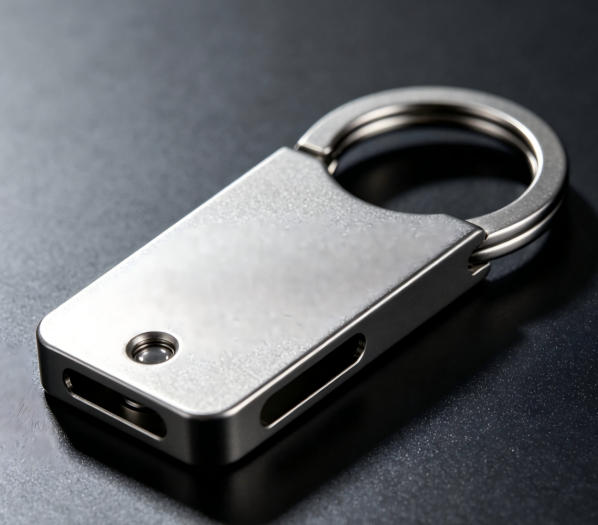
Magnetic Quick-Release Systems
One of the most popular innovations is the magnetic quick-release mechanism.
Traditional key rings can be frustrating to use, especially when separating car keys, office keys, or tool attachments. Titanium quick-release systems solve this elegantly.
With a light pull or twist, the keychain separates instantly using powerful neodymium magnets combined with mechanical locking structures. Reattachment produces a crisp metallic “snap” that many users find deeply satisfying.
The benefits are both practical and psychological:
One-handed operation Faster access to keys
Reduced wear on fingernails
Enhanced security through anti-loss locking systems
Smooth mechanical feedback
Some premium brands even engineer silent magnetic alignment systems with self-centering geometry inspired by aerospace docking mechanisms.
This fusion of convenience and mechanical precision transforms a simple keychain into an enjoyable interactive object.
Springless Mechanical Structures
Traditional keychains often rely on cheap springs that wear out over time. High-end titanium models increasingly avoid springs altogether.
Instead, designers use:
Rotating locking mechanisms
Precision-machined tracks
Magnetic retention systems
Friction-based detents
Gravity-assisted closures
These springless designs produce smoother movement and significantly longer lifespans. They also create cleaner, more satisfying tactile feedback.
Many collectors compare the experience to mechanical watches or precision camera equipment—a small but meaningful daily pleasure.
3D Titanium Printing: The Future of EDC Manufacturing
Perhaps the most exciting advancement in titanium keychain production is the adoption of 3D titanium powder printing technology.
This is the same additive manufacturing technology used in advanced aerospace components and premium smartwatch housings.
Instead of cutting material away from a solid block, lasers fuse microscopic titanium powder layer by layer. This process enables structures impossible to create through traditional machining.
Complex Hollow Structures
3D printing allows designers to create:
Honeycomb interiors
Organic lattice frameworks
Skeletonized forms
Hollow weight-saving geometries
Internal mechanical channels
These structures dramatically reduce weight while maintaining strength.
Some ultralight titanium keychains weigh only a few grams yet remain incredibly durable. Their futuristic appearance often resembles science-fiction equipment or spacecraft components.
The visual language of these products appeals strongly to modern consumers who appreciate industrial design and advanced manufacturing aesthetics.
Sustainability Advantages
Additive manufacturing also reduces material waste.
Traditional CNC machining removes large amounts of titanium from solid billets, producing expensive waste material. 3D printing uses only the required amount of powder, making production more resource-efficient.
As sustainability becomes increasingly important, many manufacturers view additive manufacturing as the future of premium EDC production.
Personalization and Identity Through Titanium Craftsmanship
Today’s consumers want products that feel personal and meaningful.
Titanium keychains have evolved into customizable lifestyle accessories capable of expressing identity, interests, and values.
Laser Engraving and Custom Artwork
High-precision laser engraving enables:
Company logos
Family crests
Coordinates
Inspirational quotes
Zodiac symbols
Anime or gaming icons
Personalized serial numbers
Unlike printed coatings that wear off over time, laser engravings become a permanent part of the metal surface.
This makes titanium keychains popular as:
Corporate gifts
Anniversary keepsakes
Military memorabilia
Outdoor club merchandise
Premium promotional items
For many users, the keychain becomes emotionally significant—a small object carrying memories and personal stories.
Cultural and Artistic Design Elements
Designers around the world are blending traditional culture with modern industrial aesthetics.
Popular themes include:
Chinese guardian lions
Samurai motifs
Minimalist Scandinavian geometry
Tactical military styling
Vintage grenade silhouettes
Lucky gourds and ancient symbols
Cyberpunk-inspired forms
These artistic directions transform keychains into wearable miniature sculptures. Collectors often treat them like pocket jewelry or mechanical art pieces rather than simple accessories.
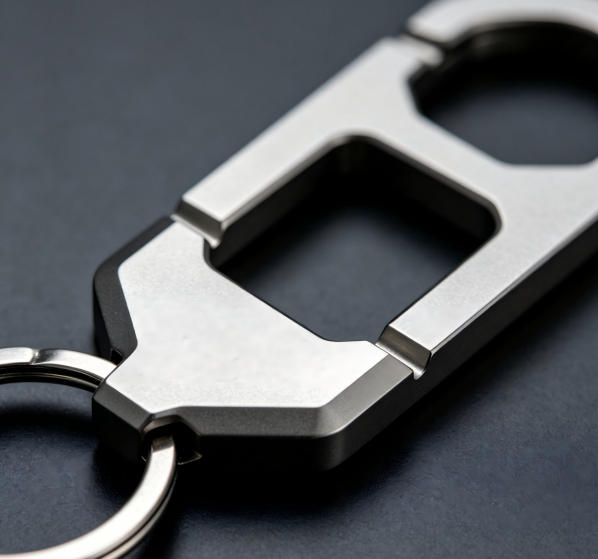
Beyond Utility: The Psychology of Tactile Satisfaction
One reason titanium keychains have exploded in popularity is that they provide emotional comfort in addition to functionality.
Modern life is fast-paced and stressful. People increasingly seek small tactile experiences that create moments of calm and satisfaction.
Titanium EDC accessories fulfill this role surprisingly well.
The “Fidget Factor”
Many titanium keychains incorporate interactive elements such as:
Rotating rings
Magnetic clicks
Ratcheting mechanisms
Spinning components
Detachable modules
Mechanical sliders
These features act as discreet stress-relief tools.
The crisp sound of metal-on-metal interaction, combined with titanium’s smooth thermal feel, creates a uniquely satisfying sensory experience.
Some users spend minutes unconsciously spinning or clicking their keychains during meetings, commutes, or moments of anxiety.
In online EDC communities, people often describe these objects as “pocket meditation devices.”
Emotional Attachment Through Daily Interaction
Unlike expensive watches or luxury bags used occasionally, keychains are touched dozens of times every single day.
This constant interaction builds emotional familiarity.
A titanium keychain:
Greets you every morning
Travels with you everywhere
Ages alongside you
Becomes part of your daily rhythm
Over time, it stops feeling like a tool and starts feeling like a trusted companion.
That emotional durability is something mass-produced disposable accessories rarely achieve.
Hidden Multi-Tool Functions
Many titanium keychains secretly incorporate practical tools without compromising aesthetics.
Common integrated features include:
Mini pry bars
Bottle openers
Hex wrench slots
Screwdriver heads
Glass breakers
SIM card ejectors
Measurement markings
Emergency whistles
The challenge for designers is maintaining visual elegance while embedding useful functionality.
The best titanium EDC products achieve this balance beautifully, offering hidden utility without appearing overly tactical or bulky.
The Incredible Difficulty of Machining Titanium
While titanium offers amazing benefits, it is notoriously difficult to manufacture.
In fact, titanium is considered one of the most challenging metals for precision machining.
Why Titanium Is Difficult to Process
Titanium presents several engineering problems:
Poor heat conductivity
High elasticity
Strong resistance to cutting
Tendency to bond with cutting tools
High tool wear rates
During machining, heat concentrates intensely at the cutting point rather than dissipating through the material. This rapidly damages conventional tools.
Complex curves, precision slots, and micro-mechanical structures require advanced manufacturing expertise and expensive equipment.
The Role of 5-Axis CNC Machines
Premium titanium keychains are typically produced using 5-axis CNC machining centers.
These machines allow simultaneous multi-directional cutting with incredible precision, enabling:
Smooth organic surfaces
Tight tolerances
Complex geometries
Perfect symmetry
Seamless mechanical integration
The machining process may involve dozens of separate operations before final assembly.
Each piece then undergoes meticulous finishing processes such as:
Sandblasting
Stone tumbling
Hand polishing
Satin brushing
Bead blasting
Flame anodizing
This labor-intensive workflow explains why high-quality titanium keychains command premium prices.
The Beauty of Titanium Anodizing
One of titanium’s most fascinating characteristics is its ability to display vibrant colors without paint.
This is achieved through anodizing.
By carefully controlling electrical voltage, technicians create oxide layers of precise thickness on the titanium surface. These layers manipulate light interference, producing brilliant colors naturally.
The resulting finish:
Never peels
Never flakes
Resists fading
Retains metallic texture
Popular anodized colors include:
Electric blue
Purple gradients
Gold tones
Emerald green
Oil-slick rainbow effects
Among collectors, flame-anodized titanium pieces are especially prized because every gradient pattern is slightly unique.
No two pieces are exactly alike.
China’s Manufacturing Ecosystem and the Rise of Titanium EDC
The rapid development of the titanium EDC industry is closely tied to China’s advanced manufacturing ecosystem.
Regions such as:
The Pearl River Delta
The Yangtze River Delta
have become global centers for precision titanium production.
Originally serving industries like:
Medical devices
Aerospace components
High-end bicycles
automotive racing
precision electronics
these manufacturing clusters developed world-class CNC expertise and supply chains.
Today, that same infrastructure supports a thriving EDC market capable of producing exceptionally sophisticated titanium accessories at increasingly accessible prices.
Many internationally respected titanium brands now rely on Chinese precision manufacturing partners.
Titanium Keychains as a Lifestyle Philosophy
At its core, the popularity of titanium EDC reflects a deeper cultural shift.
People are increasingly moving away from disposable consumerism and toward fewer, better possessions.
A titanium keychain represents:
Durability over waste
Engineering over gimmicks
Everyday pleasure over excess
Functionality combined with beauty
It is a small object with outsized meaning.
For some, it symbolizes preparedness.
For others, it reflects appreciation for craftsmanship.
And for many, it simply makes daily life feel a little more refined.