






In daily life, one of the most common ways people interact with titanium is through wearing titanium alloy eyeglass frames. Behind the sleek appearance of these frames lies a critical raw material — titanium wire, which plays a decisive role in frame strength, flexibility, durability, and comfort.
When entering an optical store and hearing terms like pure titanium, beta titanium, or memory metal, many consumers feel overwhelmed. As a senior product manager at Shaanxi Huatainuo Metal Co., Ltd., a professional supplier of titanium and titanium alloy raw materials including titanium wire, I will explain how titanium alloy eyeglass frames are made, what materials truly matter, and how to choose a high-quality frame.
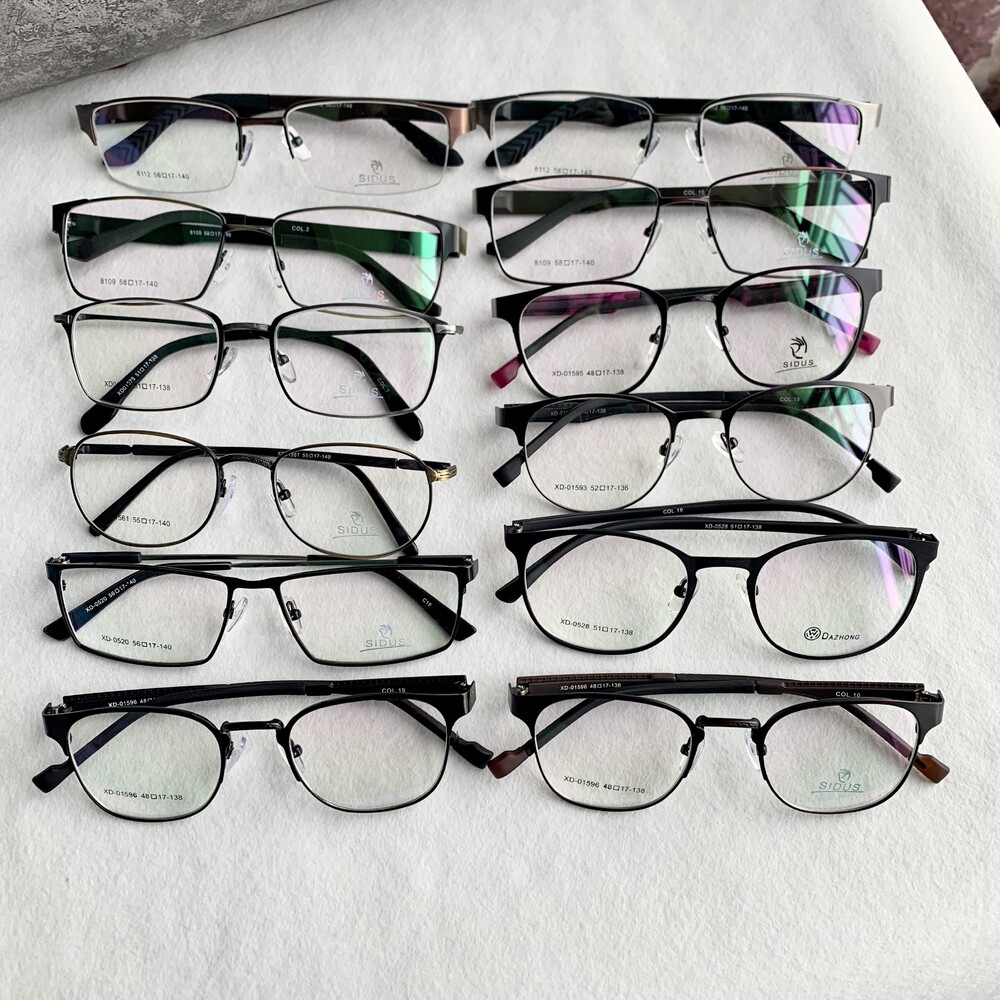
Titanium Eyeglasses Frame
Why Titanium Alloy Frames Are Highly Favored?
The growing popularity of titanium alloy eyeglass frames is closely tied to the unique properties of titanium itself — properties that originate from carefully processed titanium wire.
Titanium alloys are exceptionally lightweight, with a density of about 4.5 g/cm³, nearly half that of steel. When high-purity titanium wire is drawn, annealed, and precision-processed into frame components, it results in eyewear that feels almost weightless on the face. Even after long hours of wear, pressure on the nose and ears is significantly reduced.
Take the Xiaomi Anti-Blue Light Glasses Pro as an example. Its temple arms are made from β-titanium alloy wire, formed through ultra-thin integrated molding. Each side measures only 1.2 mm in thickness, and the total frame weight is approximately 22 grams. This level of comfort is only achievable with high-quality beta titanium wire that offers both elasticity and strength.
Titanium alloys also exhibit high hardness and excellent fatigue resistance. Compared to conventional metals, titanium wire-based frames maintain their shape even after repeated bending. In low-temperature environments, titanium becomes even stronger, ensuring long-term structural stability.
Additionally, titanium’s outstanding corrosion resistance allows frames made from titanium wire to remain rust-free even in humid or coastal environments. This same property explains why titanium wire is widely used in aerospace, marine engineering, and medical devices.
The Role of Titanium Wire in Eyewear Manufacturing
Although consumers often focus on the final frame design, the true quality begins at the raw material stage. Titanium alloy frames are typically manufactured from titanium wire, titanium rods, or titanium sheets, with titanium wire being especially critical for temples, bridges, and flexible structural components.
High-quality titanium wire must meet strict standards in:
Chemical composition stability
Surface cleanliness
Diameter tolerance
Mechanical performance consistency
At Huatainuo Metal, titanium wire for eyewear applications undergoes multiple stages of melting, forging, wire drawing, and heat treatment. This ensures optimal ductility, elasticity, and weldability — all essential for precision frame manufacturing.
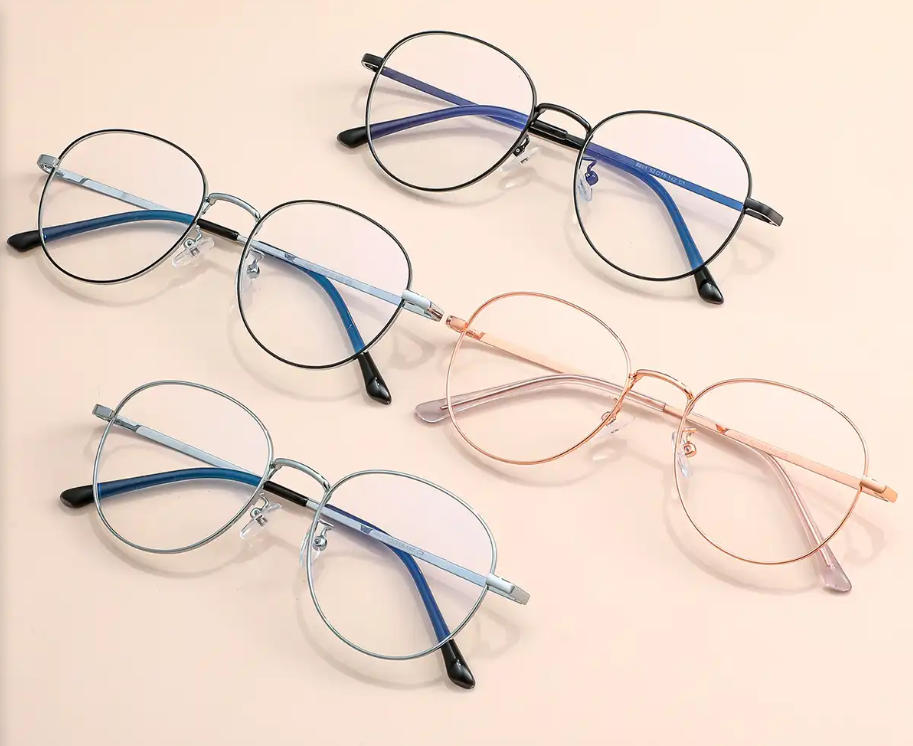
Common Titanium Materials Used in Frames
Pure Titanium (Commercially Pure Titanium Wire)
Pure titanium frames typically contain over 90% titanium and are often marked “Titanium” or “T-P”. Frames made from pure titanium wire are lightweight, corrosion-resistant, and biocompatible, making them ideal for people with sensitive skin.
Pure titanium requires oxygen-free butt welding, and the weld joints often show distinctive stepped patterns. The use of high-purity titanium wire is crucial here, as impurities can directly affect weld quality.
Beta Titanium (β-Titanium Alloy Wire)
β-Titanium (commonly Ti-6Al-4V) is widely used in high-end frames due to its excellent elasticity and shape memory. Beta titanium wire allows frames to bend and return to their original shape without deformation.
This is why beta titanium wire is commonly used for flexible temple arms. Welding is typically done via spot welding, producing smoother, sloped weld marks — a key visual identifier.
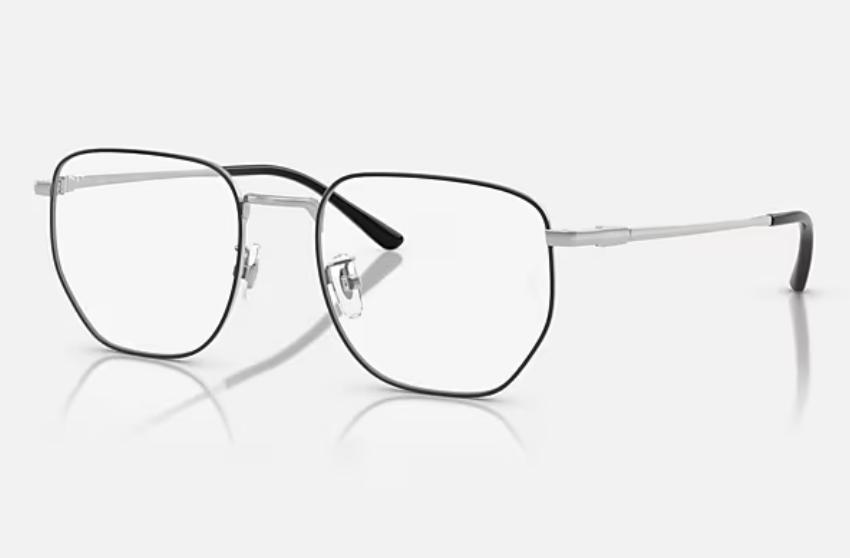
Titanium Eyeglasses Frame
Manufacturing Process: From Titanium Wire to Finished Frames
The production of titanium alloy eyeglass frames involves more than 100 precise steps. The process starts with selecting certified titanium wire that meets eyewear-grade standards.
Key stages include:
1.Titanium wire inspection and straightening
2.Precision forming and extrusion
3.Stamping and CNC shaping
4.Oxygen-free welding
5.Grinding, polishing, and surface treatment
Each stage demands strict control. Even minor deviations in titanium wire quality can affect elasticity, comfort, and durability in the final product.
How to Identify Genuine Titanium Frames
1.Material Markings: Look for “TITANIUM”, “T-P”, or “β-TITANIUM”.
2.Weight Test: Frames made from titanium wire feel noticeably lighter.
3.Magnet Test: Titanium is non-magnetic.
4.Weld Observation: Weld marks reflect material type and welding method.
5.Price Logic: True titanium wire is costly; extremely cheap “titanium” frames are often misleading.
6.Supplier Transparency: Reputable brands can trace materials back to certified titanium wire suppliers.
Future Outlook: Titanium Wire Driving Innovation
As digital lifestyles increase, demand for lightweight, durable, and skin-friendly eyewear continues to rise. The future of eyeglass frames lies not only in design but also in advanced titanium wire processing technologies.
At Shaanxi Huatainuo Metal Co., Ltd., we believe innovation begins at the raw material level. Continuous improvements in titanium wire purity, microstructure control, and surface treatment will unlock new possibilities in eyewear design, smart glasses, and wearable technology.
Conclusion
Titanium alloy eyeglass frames are the result of material science, precision engineering, and thoughtful design. At the heart of this innovation lies titanium wire, a foundational material that determines comfort, durability, and performance.
By understanding the role of titanium wire and choosing frames made from certified titanium alloy materials, consumers can enjoy eyewear that truly balances fashion, function, and long-term quality.