






As global attention increasingly turns toward sustainability, energy efficiency, and environmental responsibility, the construction industry is undergoing a profound transformation. Green building is no longer a niche concept but a mainstream development direction, driving demand for advanced materials that combine performance, durability, and ecological value. Among these emerging materials, titanium alloy bars are rapidly gaining recognition as a promising solution, offering a unique blend of structural strength, longevity, and aesthetic appeal.
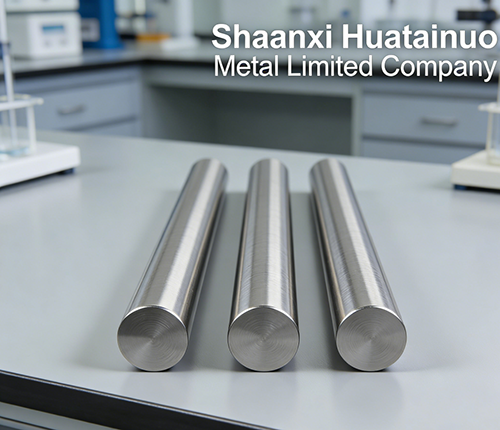
- Superior Mechanical Performance Supporting Sustainable Structures
Titanium alloy bars stand out primarily due to their exceptional mechanical properties. With a density approximately 40% lower than that of steel, titanium alloys enable significant weight reduction in structural components without compromising strength. This lightweight characteristic is particularly valuable in high-rise buildings, long-span structures, and seismic regions, where reducing dead load directly enhances safety and design efficiency.
At the same time, titanium alloys exhibit remarkable tensile strength and fatigue resistance. They can endure substantial loads and repeated stress cycles, making them ideal for critical structural applications. Their low coefficient of thermal expansion further ensures dimensional stability under temperature fluctuations, minimizing internal stress and reducing the likelihood of cracks, warping, or long-term deformation. As a result, buildings incorporating titanium alloy bars benefit from enhanced durability and longer service life—key principles of sustainable construction. - Outstanding Corrosion Resistance and Lifecycle Benefits
One of the most compelling advantages of titanium alloy bars lies in their extraordinary resistance to corrosion. Unlike conventional materials such as carbon steel, which require protective coatings and ongoing maintenance, titanium naturally forms a stable oxide layer that protects it from environmental degradation.
Whether exposed to humid air, industrial pollution, acid rain, or marine environments with high salt content, titanium alloys maintain their integrity over extended periods. This makes them especially suitable for coastal buildings, bridges, and infrastructure projects where corrosion is a major concern.
From a lifecycle perspective, this durability translates into significantly reduced maintenance costs and resource consumption. Fewer repairs, replacements, and protective treatments mean lower environmental impact over time—aligning perfectly with the principles of green building and sustainable development.
- Excellent Fabrication Flexibility and Design Adaptability
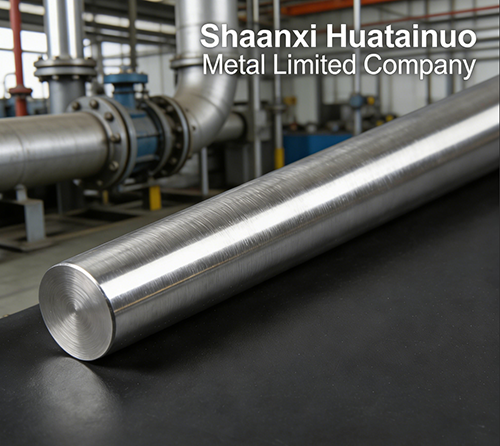
Titanium alloy bars also offer excellent processability, both in cold and hot forming. They can be shaped, bent, welded, and machined into a wide range of forms, allowing architects and engineers to explore more innovative and complex designs.
This flexibility supports modern architectural trends that emphasize creativity, customization, and structural efficiency. Whether used in load-bearing frameworks, façade systems, or intricate decorative elements, titanium alloy bars can adapt to diverse design requirements while maintaining consistent performance.
Moreover, advancements in manufacturing technologies—such as precision machining, additive manufacturing, and advanced surface treatments—are further expanding the possibilities for titanium applications in construction.
- Unique Aesthetic Qualities Enhancing Architectural Expression
Beyond their structural and functional advantages, titanium alloy bars possess a distinctive visual appeal that sets them apart from traditional materials. Through controlled oxidation processes, titanium surfaces develop a thin titanium dioxide (TiO₂) film. This film interacts with light to produce vibrant, iridescent colors that change depending on viewing angle and lighting conditions.
Unlike paints or coatings, these colors are not applied but are inherent to the material itself, ensuring long-lasting beauty without fading or peeling. This natural and dynamic aesthetic quality allows architects to create visually striking façades and interior features that combine elegance with durability.
From iconic landmark buildings to refined interior accents, titanium alloy bars contribute to a modern architectural language that values both form and function. Their ability to merge artistic expression with material performance makes them particularly attractive in high-end and culturally significant projects.
- Environmental Advantages and Alignment with Green Building Standards
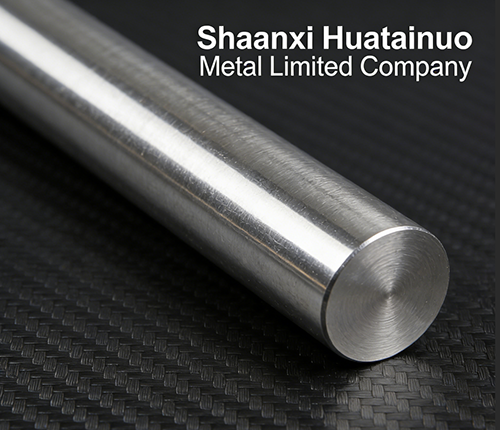
In addition to performance and aesthetics, titanium alloy bars offer important environmental benefits. Titanium is highly recyclable, and its long service life reduces the need for frequent material replacement. This contributes to lower resource consumption and reduced construction waste over the lifecycle of a building.
Furthermore, the reduced need for coatings, paints, and chemical treatments minimizes the release of volatile organic compounds (VOCs) and other pollutants. These characteristics help projects meet increasingly stringent green building certifications, such as LEED, BREEAM, and other international sustainability standards.
As the construction industry seeks to balance performance with environmental responsibility, titanium alloy bars represent a forward-looking material choice that supports both goals. - Expanding Applications in Modern Architecture
The application scope of titanium alloy bars is steadily expanding. In large public buildings—such as airports, stadiums, museums, and exhibition centers—they are used for structural reinforcement, façade systems, and decorative elements. In infrastructure projects, they contribute to corrosion-resistant bridges, marine facilities, and transportation systems.
Within interior spaces, titanium alloy bars are increasingly used for high-end finishes, partitions, railings, and artistic installations, adding a touch of sophistication and innovation. Their versatility ensures that they can be seamlessly integrated into both functional and aesthetic aspects of design.
- Future Prospects and Industry Potential
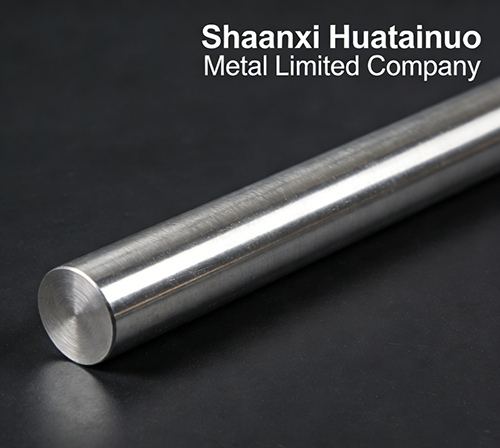
As material science and manufacturing technologies continue to advance, the cost-effectiveness and accessibility of titanium alloys are expected to improve. Ongoing research into alloy composition, processing methods, and surface treatments will further enhance their performance and broaden their application range.
At the same time, growing awareness of sustainability and lifecycle value is likely to accelerate the adoption of titanium alloy bars in the construction industry. As architects and developers increasingly prioritize long-term performance over short-term cost, titanium’s advantages become even more compelling.
Conclusion
Titanium alloy bars are emerging as a true rising star in the field of green building. By combining lightweight strength, exceptional durability, corrosion resistance, and unique aesthetic qualities, they address many of the challenges faced by modern construction.
More than just a material innovation, titanium alloy bars represent a shift toward smarter, more sustainable building practices. As the industry continues to evolve, they are poised to play a vital role in shaping the future of architecture—helping create structures that are not only strong and efficient but also environmentally responsible and visually inspiring.